Solutions · Ensure compliance
Digital deposit return, from one scan.
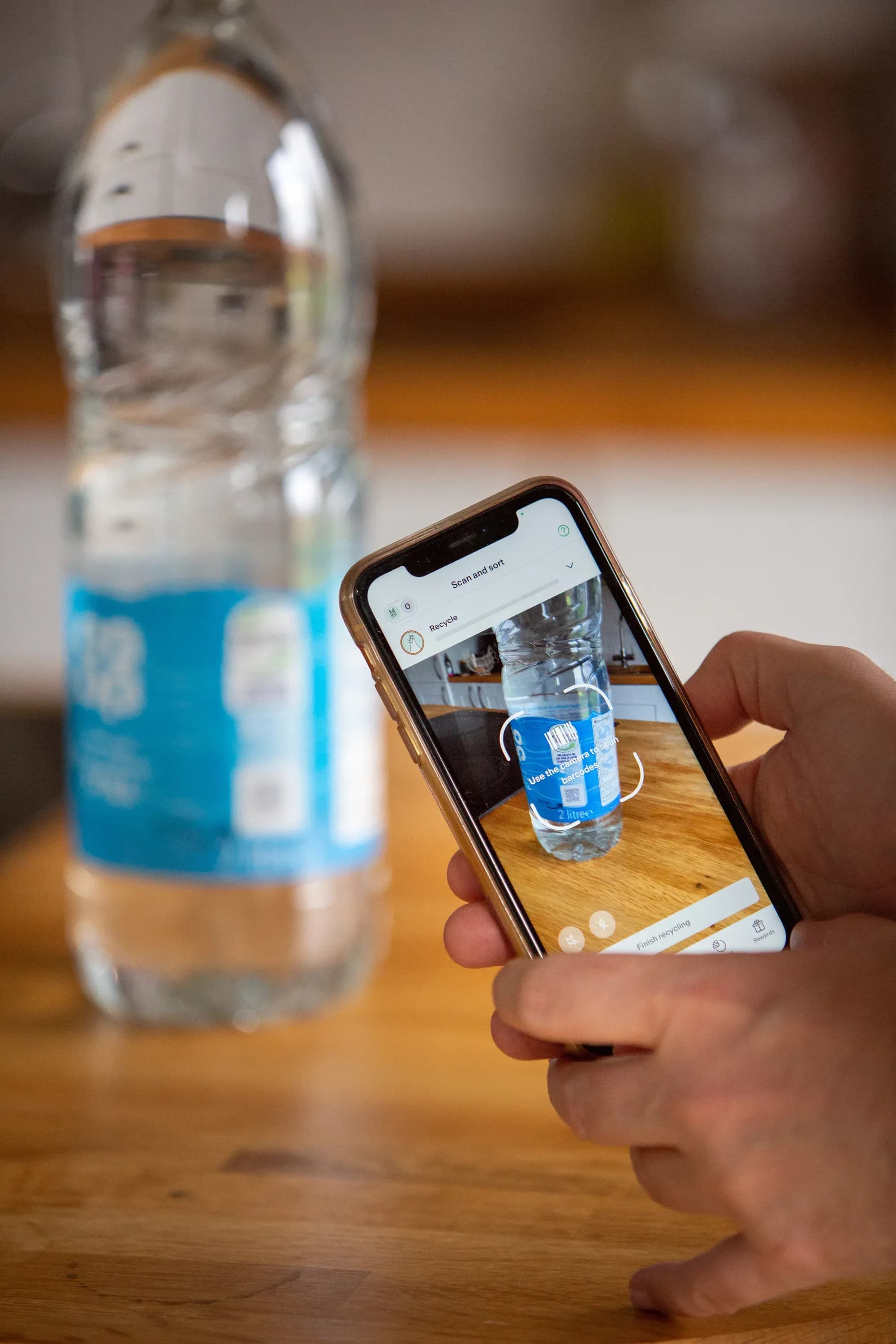
Every pack carries its own identity, so deposits, returns and rewards are handled digitally, pack by pack, from a phone. No trip to a returns point: the pack goes in the recycling people already use.
01 / unique code · redeemed once
02 — What is DDRS
What is a digital deposit return scheme?
A deposit return scheme adds a small, refundable deposit to drinks containers, paid back when the empty is returned. It works: people recycle more when they get their money back. A digital scheme keeps the incentive and drops the machine. The pack is scanned, goes in the recycling, and the deposit comes back to the phone.
03 — How it works
Scan. Recycle. Get paid.
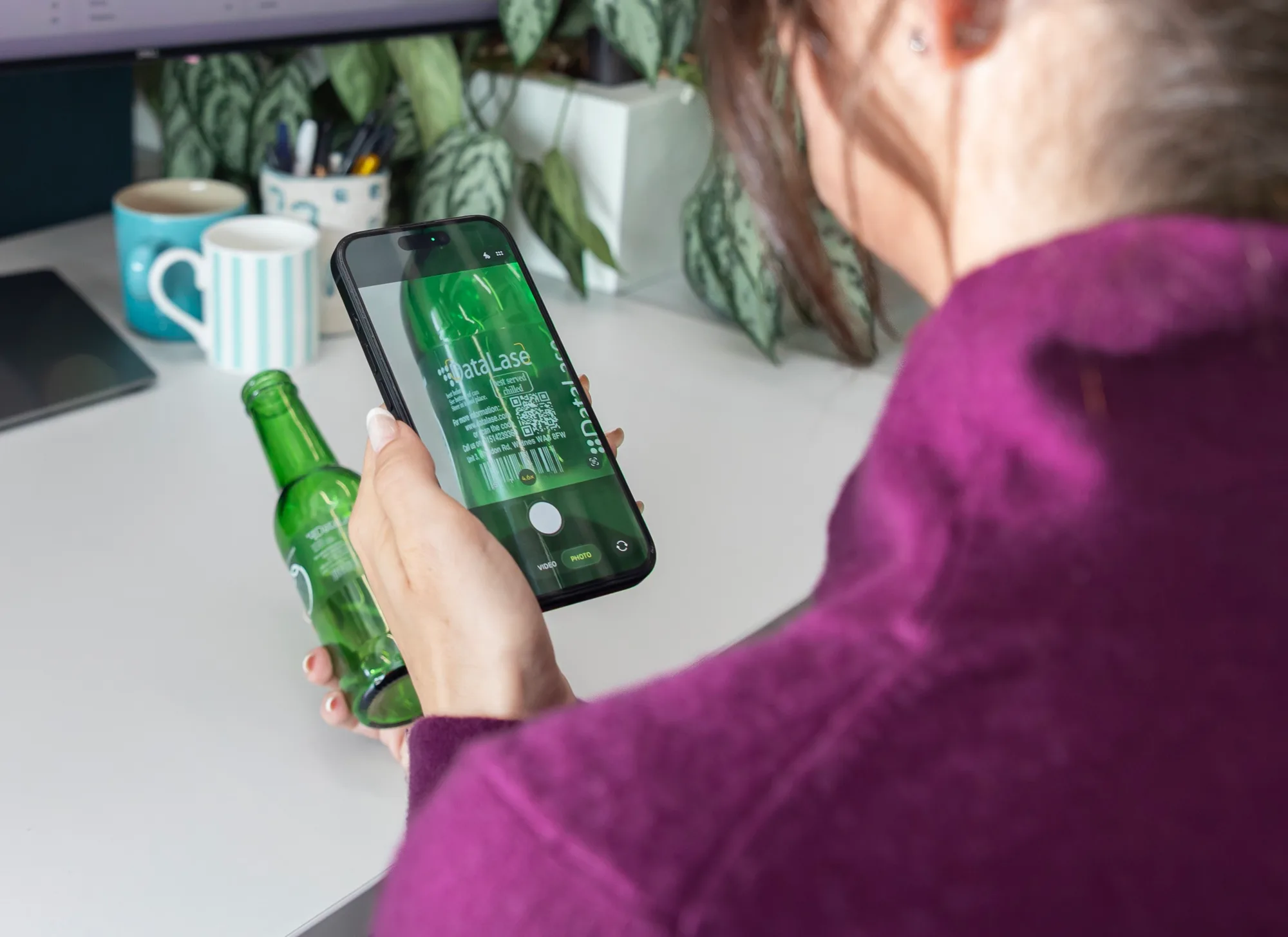
- Step 01Scan the packThe unique QR code on the label is scanned with a phone.
- Step 02Checked in real timeThe code is verified against the Polytag ledger, and checked it hasn't already been redeemed.
- Step 03Recycled at homeThe pack goes into the household recycling bin, not a machine.
- Step 04Deposit returnedThe reward is paid to the customer's account, and every return is tracked back to the product.
04 — The Ocado trial
The UK's first nationwide digital deposit return trial.
rewards redeemed in 56 days
of people who scanned went on to recycle
of Bower users positive about a digital return scheme
would use a QR code to claim a deposit back
Ocado and Polytag, with the Bower app, ran the trial on Ocado’s own-brand milk bottles, recycled from home through kerbside collection.
- Ocado
- GS1 Digital Link
- Kerbside
Reverse vending machines
A machine, and a trip to reach it.
High upfront costs and a large carbon footprint from manufacture and transport. They need dedicated retail space and a physical return, which limits how people get their deposit back.
Digital deposit return
A scan, from home.
Flexible and more cost-effective to put in place. People return packs through the recycling they already use, and claim their deposit on their phone.
 Watch · Digital Deposit Return Schemes are here!Opens video player. Press Enter or Space to play.
We understand implementing a new system can seem daunting. Our team can assist with a tailored approach, ensuring the transition to a Digital Deposit Return Scheme is seamless.
Deposits are claimed through unique-every-time GS1 Digital Link QR codes. Each one redeems once.