Polytag and Zebra Technologies Announce Collaboration
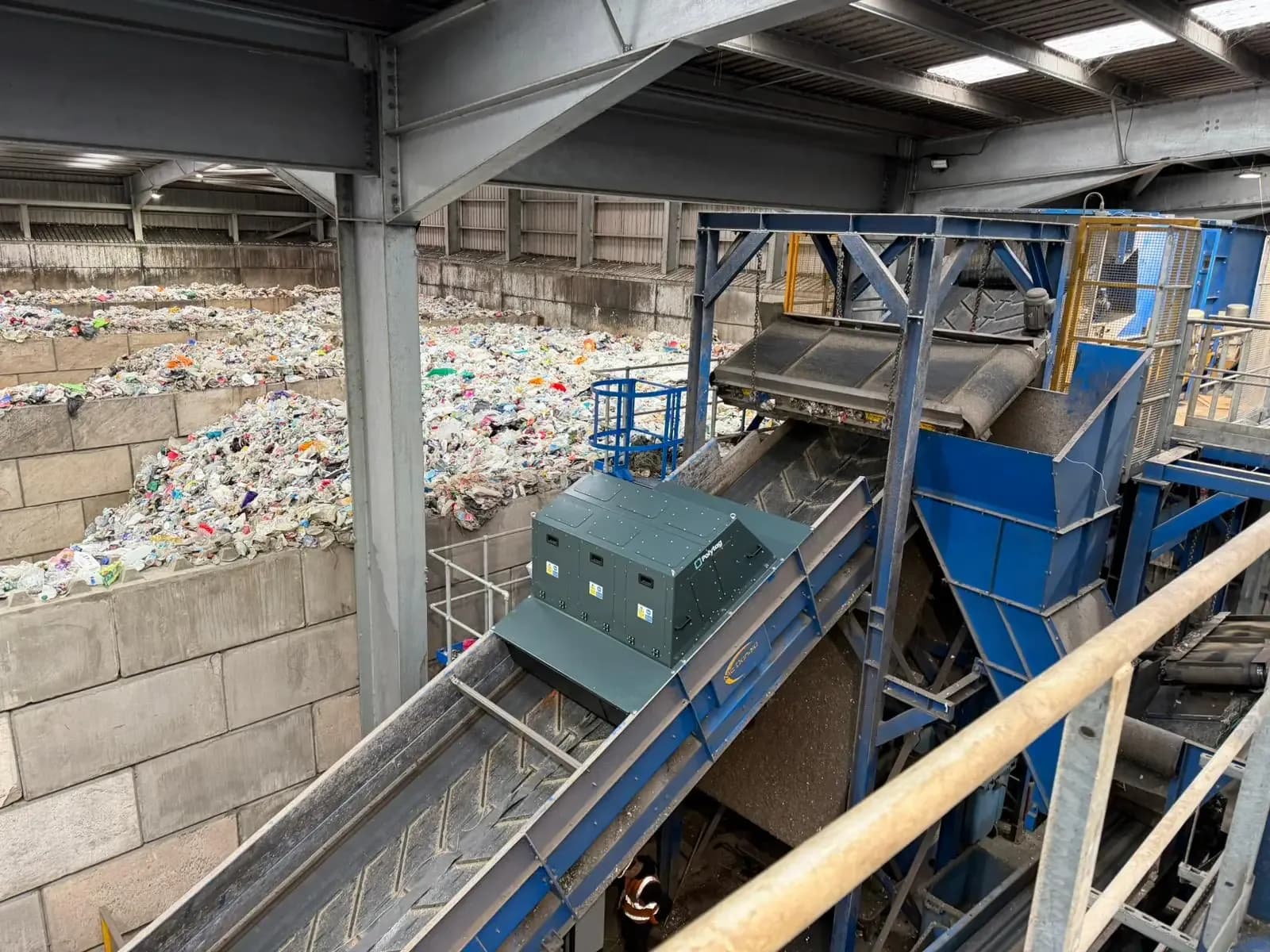
In collaboration with Zebra Technologies, Polytag has successfully deployed advanced machine vision software capable of achieving a 100% detection rate for tagged packaging in industrial recycling environments.
In collaboration with Zebra Technologies, Polytag has successfully deployed advanced machine vision software capable of achieving a 100% detection rate for tagged packaging in industrial recycling environments.
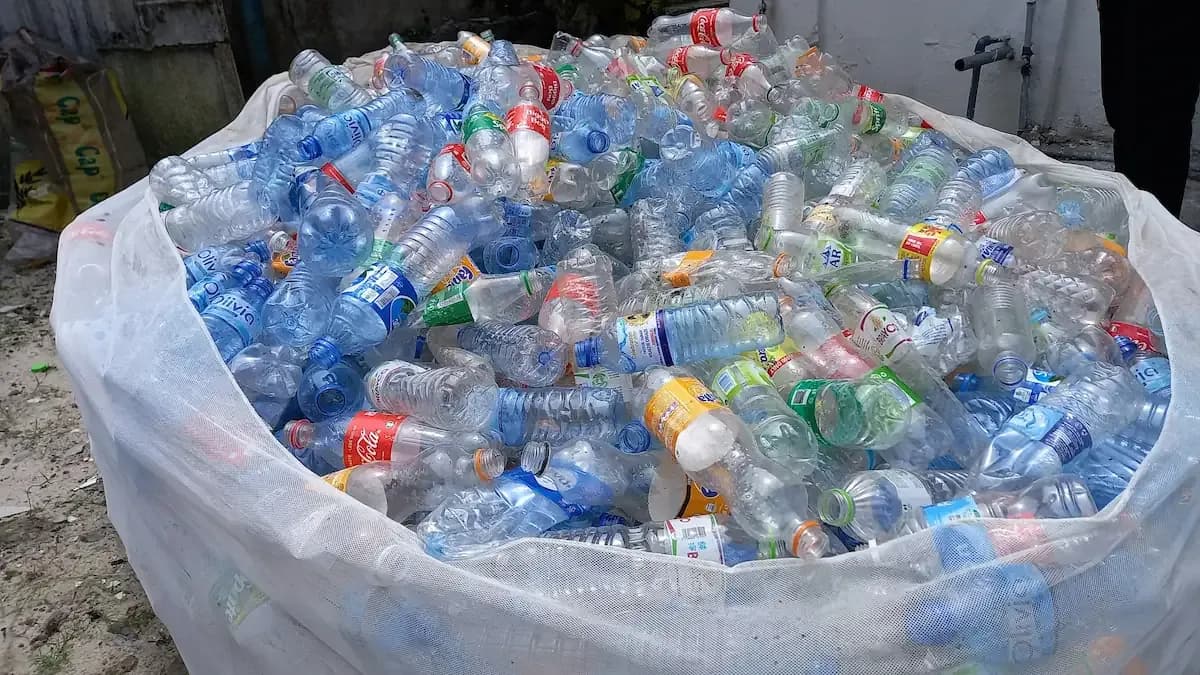
As showcased in recent industry coverage including Eureka! Magazine, MEPCA Engineering, Packaging Europe, the partnership addresses one of the most persistent hurdles in the waste management sector: the lack of visibility once packaging leaves a consumer’s hand.
While brands have long designed for recyclability, Polytag’s tag, and trace technology provides the data to businesses to stop guessing and start knowing how much of their packaging is recycled.
Precision Engineering for industrial standards
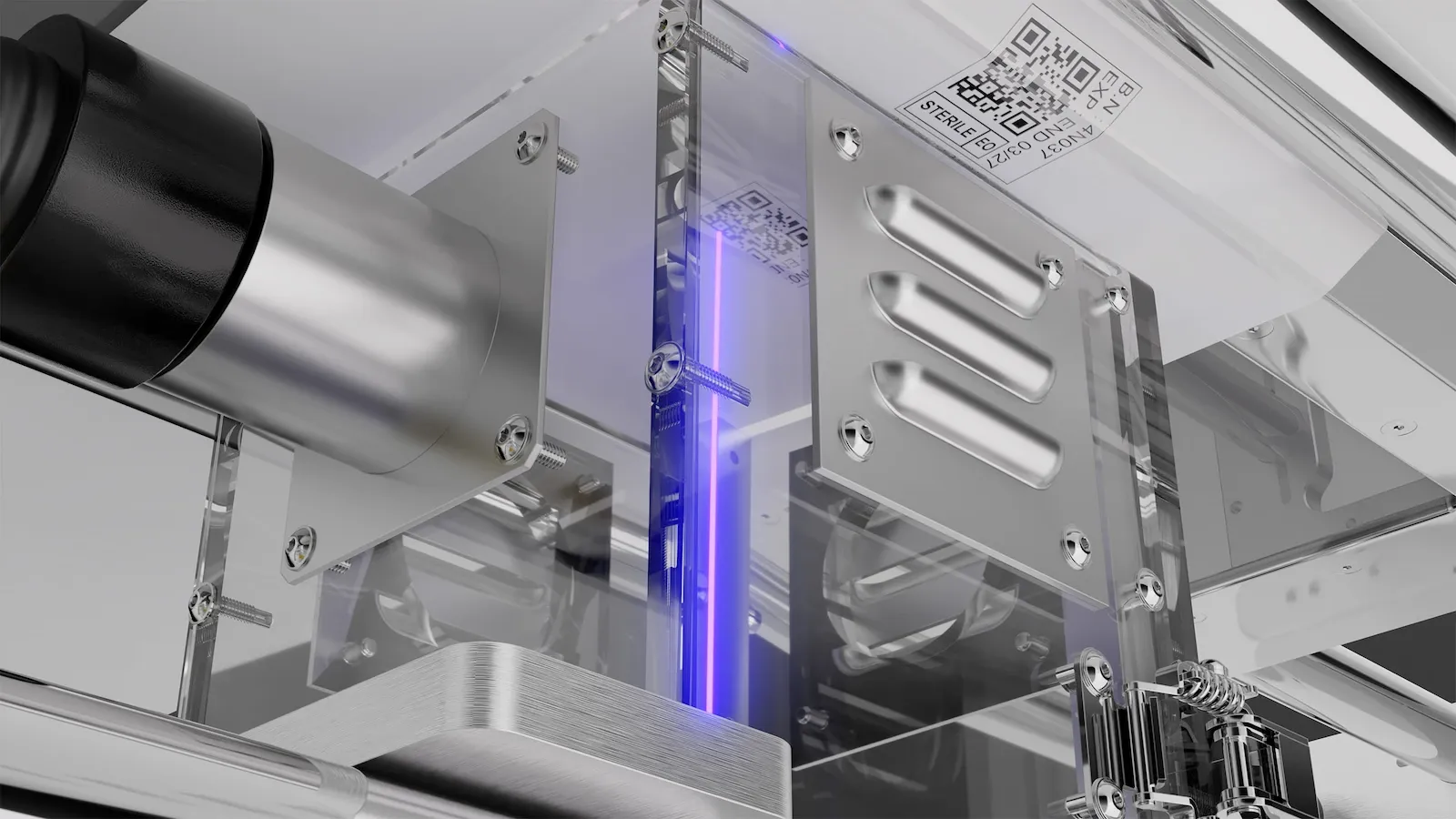
Aurora Vision software is designed to read invisible UV 2D tags at speeds of 20 frames per second on high-speed conveyor belts. Unlike standard scanning technology, this system is specifically engineered to perform in the “chaos” of a Materials Recovery Facility (MRF)—identifying packaging that is crushed, soiled, or moving in low-light conditions.
“Our mission is to give organisations the tools to make smarter, data-driven decisions about sustainability,” said Jonathan Anderson, Chief Technology Officer at Polytag. “By partnering with Zebra, we have moved beyond theoretical recyclability to a solution that works in the real world, providing 100% accuracy and the SKU-level data brands desperately need.”
Empowering Smarter Design
The data captured by Polytag enables a feedback loop that has never existed before. Brands can now see exactly which of their products are being successfully sorted, allowing for targeted improvements in packaging design and more effective consumer recycling campaigns.
With this scalable, non-disruptive technology now proven in live environments, Polytag and Zebra Technologies are setting a new global standard for how the world tracks, manages, and recovers waste.